
What is an OTP SMS Service?
In the digital age, where online transactions, account logins, and app verifications have become everyday activities, security and trust are the cornerstones of customer experience. This is where OTP SMS Services play a vital role.
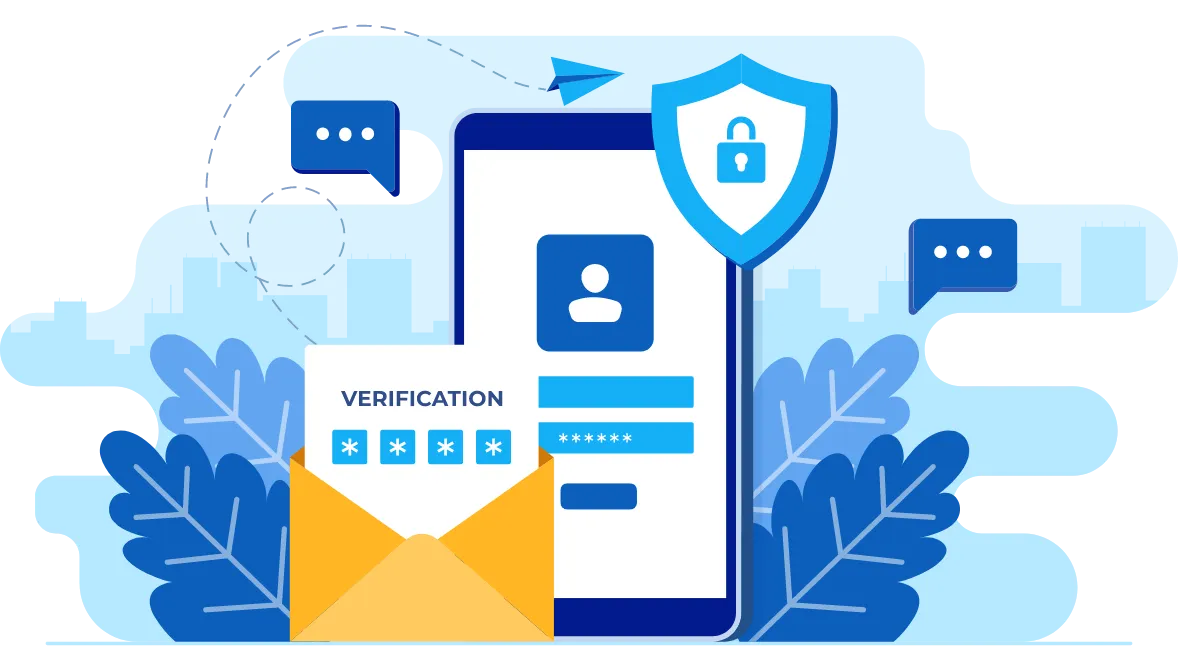
OTP (One-Time Password) SMS Service is a system that sends a unique numeric or alphanumeric code to a user’s mobile phone for verification purposes. This code ensures that the person attempting to access an account or perform an action is indeed the rightful owner.
In simple terms, it’s the fastest and most reliable way to authenticate users securely, ensuring protection against fraud and unauthorized access.
The Power of OTP SMS Marketing
While OTPs are mainly used for security, they also hold immense marketing and branding power when used smartly.
Every OTP message gives businesses a direct communication touchpoint with the user — an opportunity to build trust, reinforce brand recall, and enhance customer experience.
Example:
Imagine a user logging into a banking app. The OTP message they receive might say:
“Your OTP for login is 458391. Never share it with anyone. – HDFC Bank”
Even in that short message, the brand name strengthens recognition and trust.
So, while OTPs serve a functional purpose, they also act as micro-moments of brand engagement.
Types of OTP SMS Services
OTP SMS Services can vary based on use cases, industries, and delivery mechanisms. Let’s explore the most common types:
1. Transactional OTP SMS
Used for sending OTPs related to banking, e-commerce and app verifications.
- Sent 24x7 without DND restrictions.
- Ensures immediate delivery and reliability.
Example: Login authentication, order confirmation or payment verification.
2. Promotional OTP SMS
Sometimes OTPs are combined with marketing messages. For example:
- “Your OTP is 295841. Use the code WELCOME10 for 10% off on your first purchase!”
While the main purpose is verification, businesses cleverly integrate small marketing cues.
3. Voice OTP Service
For users with weak SMS coverage, the OTP is sent via an automated voice call. This adds accessibility and improves delivery rates in remote regions.
4. Email-based OTPs
Though not technically SMS, many businesses send OTPs through email for added convenience.
However, SMS remains the fastest and most universally accessible medium.
How Does OTP SMS Work?
Understanding the technical workflow helps appreciate how seamless and secure OTPs are in the background.
- User Request Initiation: A user attempts to act - such as logging in, registering, or making a payment.
- OTP Generation: The system automatically generates a unique, time-sensitive code (usually valid for 30–300 seconds).
- Message Routing: The OTP is sent via a trusted SMS gateway or API through telecom networks to the user’s mobile number.
- User Verification: The user enters the received OTP on the website/app.
- Authentication & Access: If the OTP matches, access is granted. If not, it is denied for security reasons.
Advantages of Using OTP SMS for Businesses
Implementing OTP SMS brings multiple benefits, not just security.
Enhanced Security
It adds a second layer of authentication, preventing account hacking or identity theft.
Instant Delivery & High Open Rate
SMS has an over 98% open rate within the first few minutes - making OTPs fast & reliable.
Cost-Effective
Compared to other verification methods, SMS OTPs are affordable and scalable for small and large enterprises alike.
Global Reach
Whether your user is in India, the US, or Africa, OTPs can be delivered instantly through global telecom networks.
Automation-Friendly
Modern OTP APIs enable seamless integration with websites, apps, CRMs, and e-commerce platforms — without requiring manual effort.
Improved Customer Trust
Users feel safe when they see an extra verification step. It enhances your brand’s credibility.
Real-Life Case Studies
Let’s see how leading businesses use OTP SMS effectively:
Banking Sector: HDFC Bank implemented OTP SMS for every online transaction. This reduced fraudulent activities by over 70% within the first six months. It also improved customer confidence, as users felt safer while using net banking.
E-commerce Platform: Flipkart integrated OTP verification for cash-on-delivery orders. This simple step reduced fake orders by 45% saving millions in operational costs.
Ride-Sharing Apps: Ola and Uber use OTP SMS for trip verification and driver matching. When a customer enters the correct OTP shows on their app, the system confirms the ride — ensuring passenger safety.
EdTech Industry: An online learning platform introduced OTP-based login for students. It saw a 30% drop in account sharing and a 20% boost in session security.
These examples highlight how OTP SMS isn’t just a verification tool — it’s a business enabler.
Best Practices for OTP SMS Marketing
While OTP SMS is largely transactional, following best practices ensures it’s secure, fast and user-friendly.
Keep Messages Short & Clear
“Your OTP for login is 984615. Valid for 5 minutes. – [Brand Name]”
Include Brand Identity
Always include your company name to strengthen trust and reduce risk.
Use a Reliable OTP SMS Gateway
Choose a provider with 99.9% uptime and instant delivery capability.
Add Expiry Time
Clearly mention OTP validity — typically between 30 seconds and 5 minutes.
Secure the API
Use encryption and token-based authentication for your OTP generation and delivery systems.
Avoid Using OTPs in Marketing Loops
Don’t overload customers with promotions in OTP messages — it can reduce trust.
Key Factors to Consider
- Delivery Rate: Choose a provider with guaranteed real-time delivery.
- API Integration: Should work seamlessly with your existing CRM or app.
- Scalability: Able to handle large volumes during peak traffic.
- Global Coverage: Especially for apps with international users.
- Compliance: Ensure DLT and TRAI regulations (for India) are followed.
- Support: 24x7 technical and customer support availability.
Example:
Many companies trust providers like National Bulk SMS for their OTP infrastructure. They offer high-speed gateways, secure APIs, and real-time analytics — ensuring reliability and trust.
The Future of OTP SMS
- With the rise of AI-powered authentication, WhatsApp OTP, and biometric verification, SMS OTP remains a foundational layer of digital security.
- Even as technologies evolve, the simplicity, reach, and cost-effectiveness of OTP SMS ensure it will remain relevant for years to come.
- Businesses that integrate multi-channel OTP delivery (SMS + WhatsApp + Email) will stand out with stronger customer trust and reduced fraud rates.
FAQs
OTP stands for One-Time Password — a secure code sent via SMS for user verification or authentication.
Typically, OTPs are valid for 30 seconds to 5 minutes, depending on system configuration.
Yes. Most businesses use SMS APIs to automate OTP generation and delivery instantly.
It ensures data security, prevents fraudulent access, and enhances user trust in online systems.
Transactional OTPs are purely for authentication, while promotional OTPs may include marketing messages along with verification.
Yes, with a global SMS gateway, OTPs can reach users anywhere in the world.
Banking, e-commerce, healthcare, logistics, ride-sharing, education and fintech companies widely use OTP services.
Costs vary based on volume and region, but are generally very affordable per SMS.
SMS reaches the user’s personal mobile instantly, reducing the risk of hacking or spam interception.
You can use an OTP SMS API provided by a trusted service, like National Bulk SMS to connect your system easily.