Customer communication has changed quickly. People now expect messages to be useful, easy to understand and simple to act on. Traditional SMS still has a place in business communication, but brands are increasingly exploring richer messaging experiences through RCS, or Rich Communication Services.
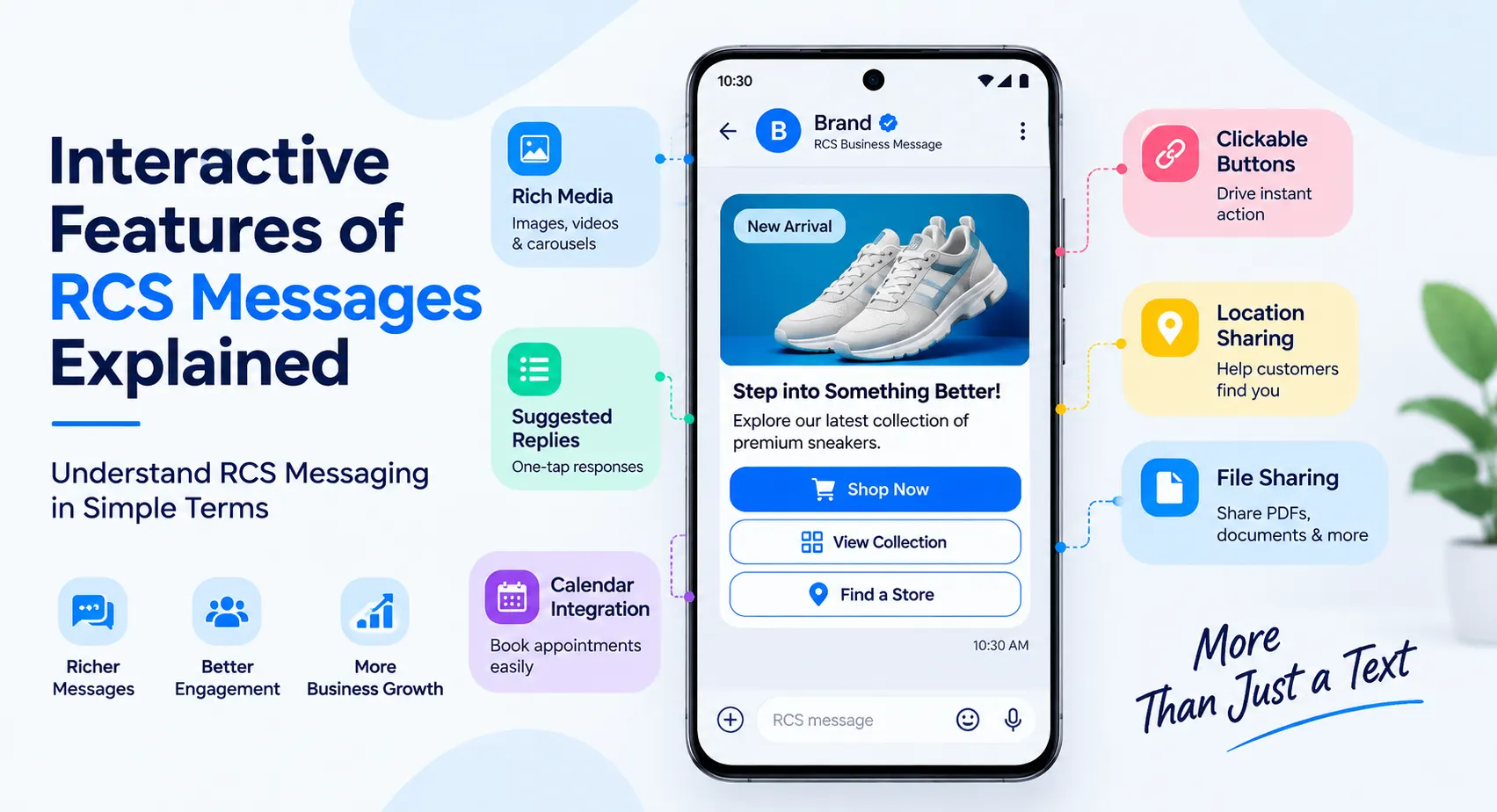
In 2026, RCS is becoming an important channel for businesses that want to combine the reach of mobile messaging with interactive features. With RCS, companies can send branded messages containing images, buttons, product information, suggested actions and other interactive elements.
For businesses using messaging as part of sales, marketing, support, or customer engagement, Text SMS can help make RCS communication more structured and effective.
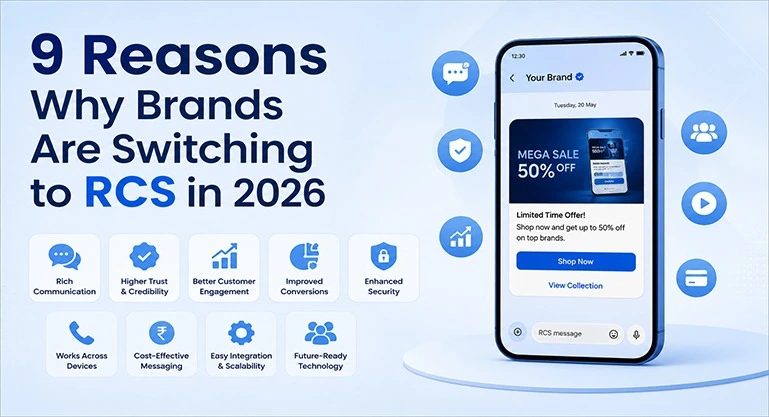
9 Reasons Brands Are Switching to RCS Messaging Services in 2026
1. RCS Creates a More Branded Experience
A traditional SMS message is mostly text. RCS allows businesses to present messages using brand identity, rich visuals and structured content.
A customer can immediately understand who is contacting them and what action is available. This can make communication feel more professional and recognizable.
2. Customers Can Interact Directly in the Message
RCS supports buttons and suggested actions. A customer may be able to select an option, view an offer, locate a store, or begin a service interaction without typing a long response.
This reduces unnecessary steps between receiving a message and taking action.
3. Rich Media Makes Promotions Easier to Understand
A text-only offer can require several lines of explanation. RCS can combine a short message with an image, product card, or visual offer.
For retail, travel, food, education and service businesses, this can make promotional communication easier to scan.
4. RCS Supports Better Customer Journeys
Businesses often send several messages during one customer journey. RCS can support different stages of that journey, from product discovery to purchase assistance and post-sale communication.
For example, a customer could receive a product card, select an option and then move toward checkout through guided actions.
5. It Can Improve Engagement With Interactive Content
Interactive elements give customers something to do instead of simply reading a message.
Brands can use buttons such as:
- Shop Now
- View Details
- Book Appointment
- Track Order
- Find a Store
- Contact Support
The exact features available depend on the RCS platform, device, carrier and market.
6. RCS Helps Businesses Stand Out From Plain Text Messages
Consumers receive a large number of notifications every day. A plain text message can easily look similar to other communications.
A branded RCS message can provide stronger visual recognition and clearer calls to action, particularly when the content is relevant to the recipient.
7. RCS Can Support Both Marketing and Service Communication
RCS is not limited to promotional campaigns. Businesses can also explore it for customer service and transactional journeys where supported.
Examples include appointment reminders, delivery updates, booking confirmations, service notifications and customer assistance.
8. RCS Can Reduce Friction in Mobile Communication
Every additional step can create a chance for a customer to leave a journey. RCS can place useful information and actions inside the messaging experience.
For example, instead of asking customers to remember a phone number or manually search for a webpage, a business can provide an appropriate action button within the conversation.
9. Brands Want More Than Traditional SMS Can Offer
SMS remains valuable because of its simplicity and broad reach. However, businesses looking for richer communication need additional capabilities.
RCS gives brands an opportunity to build more visual and interactive messaging journeys while continuing to use mobile messaging as a direct communication channel.
RCS Use Case 1: Retail and E-Commerce
A clothing brand launching a seasonal collection can send an RCS message featuring product images, prices, short descriptions and buttons such as View Collection or Shop Now.
Instead of sending a long promotional SMS, the brand can organize the information in a format that is easier to browse.
A similar approach can be used for abandoned-cart reminders, new product launches, limited-time offers and order-related communication.
RCS Use Case 2: Banking and Financial Services
A financial institution can use rich messaging for service notifications, appointment journeys, branch information and customer assistance where permitted by its communication and compliance framework.
For example, an appointment reminder could include the date, time, branch details and an action for directions or rescheduling.
Sensitive financial information should always be handled according to applicable security, privacy and regulatory requirements.
RCS Case Study 1: Retail Campaign
Illustrative case study: Consider an online fashion retailer that previously relied on promotional SMS containing a short offer and website link.
The retailer moves selected campaigns to RCS and introduces product images, promotional cards and clear action buttons.
The campaign becomes easier to browse from the messaging interface. Instead of asking customers to interpret a text-heavy offer, the message guides them toward relevant products.
The main lesson is simple: richer content can make the path from message to product easier to understand.
RCS Case Study 2: Appointment-Based Business
Illustrative case study: A multi-location service business sends appointment reminders through basic SMS.
The business adopts RCS for supported customers and includes appointment information with actions such as Confirm, Reschedule and Get Directions.
Customers can respond through structured actions rather than composing a separate message. The business also gets a clearer communication flow because important appointment details are presented together.
This approach can be particularly useful for healthcare, automotive service, education, beauty and professional service businesses, subject to applicable industry requirements.
How Text SMS Can Help Businesses Explore RCS
Moving to RCS requires more than simply changing the message format. Businesses need to think about audience segmentation, campaign objectives, message design, automation and fallback communication.
Text SMS can be part of this transition by helping businesses plan messaging campaigns around specific customer journeys.
A practical RCS strategy should consider:
- The purpose of each campaign
- Customer consent and communication preferences
- Brand identity and message design
- Clear calls to action
- Personalization where appropriate
- Integration with existing business systems
- Performance measurement
- SMS fallback where supported and necessary
Frequently Asked Questions
No. SMS continues to be an important messaging channel. RCS provides additional rich and interactive capabilities where supported.
Yes. Small businesses can use RCS for suitable customer journeys such as promotions, bookings, reminders, product discovery and support.
Yes. RCS can support rich media and interactive actions, although available capabilities vary according to the platform, device, carrier and market.
Brands are looking for richer mobile communication that combines branding, visual content and interactive actions with the convenience of messaging.
Yes. SMS can continue to serve as an important communication channel, including as a fallback where RCS is unavailable or unsupported.