Customer communication has changed significantly in recent years. People now expect businesses to respond quickly and provide useful information through the messaging channels they already use. Traditional SMS still has a strong reach, but brands are increasingly looking for richer ways to communicate with customers.
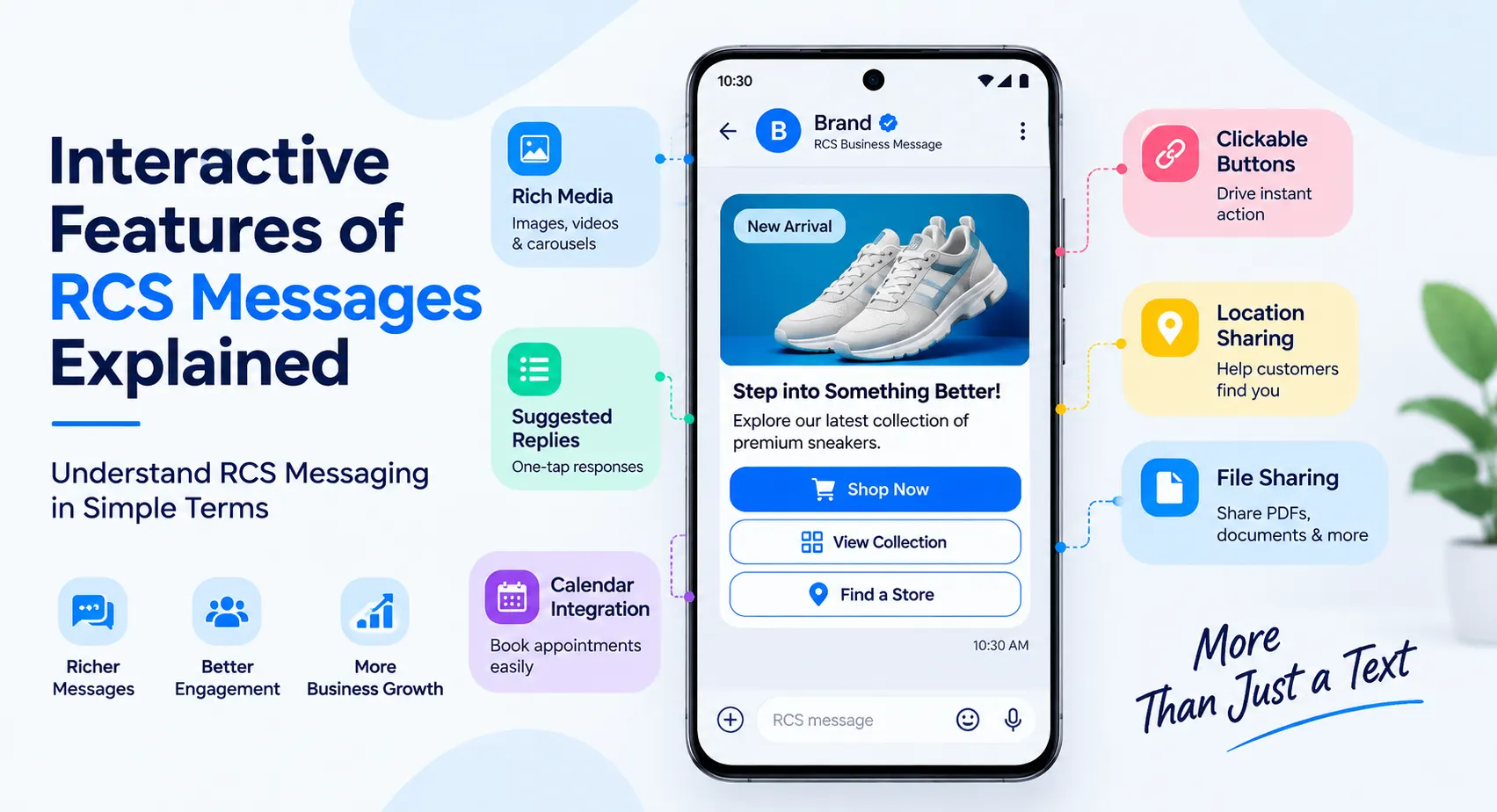
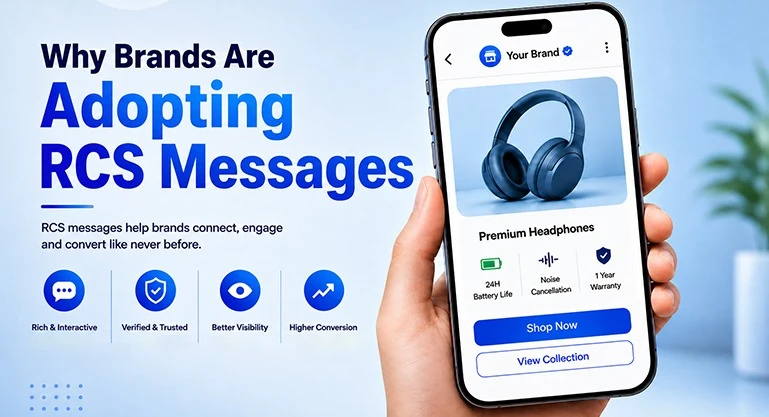
This is where RCS messaging is gaining attention. RCS, or Rich Communication Services, brings features such as images, buttons, carousels, suggested replies, business profiles & branded messages into the mobile messaging experience.
For companies such as Text SMS, RCS represents an important step forward in business messaging. It allows brands to create conversations that are more informative, interactive & visually appealing than conventional SMS.
Why Are Brands Moving Towards RCS?
1. Richer Customer Experience
Plain SMS has strict limitations. RCS gives brands more room to present information clearly.
2. Stronger Brand Visibility
Brand presentation matters when customers receive business messages. RCS can display verified business information, branding, images & structured content.
This gives customers a clearer idea of who is contacting them and can help build confidence in the communication.
3. Interactive Communication
RCS turns a message into an interactive experience.
Instead of asking customers to type a response or visit a website manually, brands can provide buttons such as:
- View Product
- Track Order
- Book Now
- Contact Support
- Get Directions
- Make Payment
Fewer steps can make customer journeys easier.
4. Better Product Promotion
E-commerce businesses can use RCS to showcase products through images, descriptions, prices & action buttons.
A retailer promoting a new collection, for example, can display several products in a carousel and allow customers to select the product they want to explore.
5. Useful Transactional Updates
RCS is also valuable outside advertising.
Businesses can use it for:
- Order confirmations
- Delivery updates
- Appointment reminders
- Travel notifications
- Payment alerts
- Account updates
- Customer support
This makes RCS relevant across different stages of the customer journey.
RCS vs Traditional SMS
Traditional SMS remains useful because of its simplicity and broad reach. However, it generally relies on plain text and links.
RCS adds a richer layer to mobile messaging. It can combine text, images, branding, buttons & interactive elements within one communication.
For brands, this means they can choose the right messaging format based on the purpose of the communication. SMS can remain useful for straightforward alerts, while RCS can handle communication that benefits from visual or interactive content.
2 RCS Messaging Use Cases
Use Case 1: E-Commerce
An online fashion store can send an RCS message featuring a new collection.
The customer could see product images, browse different items through a carousel & select Shop Now or View Product. This creates a shorter path between receiving the message and visiting the relevant product page.
Use Case 2: Banking and Financial Services
A bank can use RCS for account alerts, service reminders, branch information, or card-related notifications.
A customer might receive a branded message with transaction information and buttons such as View Account, Contact Support, or Find Branch.
2 RCS Messaging Case Studies
Case Study 1: Retail Customer Engagement
Consider a retail brand that traditionally sends promotional SMS containing a short offer and website link.
After adopting RCS, the brand can present product images, promotional information & direct action buttons in the same message.
The communication becomes easier to scan & customers can interact with the brand without relying entirely on a plain text link. The key improvement is the quality of the customer experience.
Case Study 2: Travel and Booking Communication
A travel company can use RCS to send booking confirmations containing the customer's itinerary, travel information & relevant actions.
Instead of receiving several disconnected text messages, customers can access important details in a structured branded conversation.
This approach can reduce confusion and make post-booking communication easier to manage.
How Text SMS Can Help Brands Adopt RCS
Moving from traditional messaging to RCS requires more than simply changing the message format. Brands need to consider their audience, messaging objectives, customer journey, content & integration requirements.
Text SMS can help businesses explore RCS messaging as part of a broader customer communication strategy.
A practical RCS campaign should focus on:
- Clear and useful messaging
- Strong visual presentation
- Simple calls to action
- Relevant customer information
- Consistent brand identity
- Proper campaign tracking
The objective should be to make communication more useful rather than simply adding visual elements.
Why RCS Matters for the Future of Business Messaging
Customers increasingly interact with businesses through their mobile devices. As messaging becomes more capable, brands have an opportunity to move beyond one-way notifications and create more useful conversations.
RCS combines the familiarity of mobile messaging with features traditionally associated with apps and websites. For businesses that want stronger branding, richer communication & easier customer interaction, it offers an important messaging option.
Frequently Asked Questions
RCS stands for Rich Communication Services. It is a messaging standard that provides richer features than traditional SMS.
Yes. Businesses can use RCS for promotional campaigns, product discovery, offers, customer engagement & other marketing activities.
RCS offers more interactive and visual features, while SMS remains simple and widely useful. The right choice depends on the communication objective, audience & available RCS support.
An RCS message can contain branding, images, buttons, suggested replies, product cards, carousels, links & other interactive elements.
Yes. Text SMS can help businesses explore RCS as part of their customer communication strategy, including promotional and transactional messaging requirements.